
Is Your Data AI-Ready? The Importance of Data Quality | © 2026 FIRN
There is a growing sense of urgency in New Zealand boardrooms to “do something with AI.” The potential for automation and predictive insight is compelling, and investment cases are landing on executive desks with increasing frequency. But beneath the polished vendor demos lies a foundational risk that many leaders are overlooking.
We are investing heavily in the “engine” of AI without checking the quality of the “fuel.” If the data feeding your models is fragmented, outdated, or poorly governed, the insights produced won’t just be inaccurate—they will be confidently wrong. Recent industry surveys highlight this growing readiness gap: while data and AI sit at the core of enterprise strategy, fewer than a quarter of business leaders actually believe their organisation’s data is truly “AI-ready.”
Where Data Quality Breaks Down
Data quality issues usually build in fairly ordinary ways. Systems collect similar information differently, teams start using different definitions for the same thing, and data gets entered in ways that are close enough to pass at first but inconsistent enough to cause problems later.
A CRM might treat an active customer one way, finance might define it another, and operations might record the same information in a format that doesn’t quite line up with either. Without proper data integration, those differences just keep travelling through the business and into reporting. Add in blank fields, inconsistent formatting, and no clear ownership over key data, and it becomes much harder to trust what comes out the other side.
That’s also why data quality requires more than one technical fix. It’s shaped by the systems in use, the processes behind them, and the people working with the data every day.
Why Fixing It Late Gets Expensive
A lot of businesses try to deal with data quality at the point where it becomes visible. The problem is that these fixes only deal with the version of the issue that happens to be showing up that day.
They don’t stop the same inconsistency from feeding the next dashboard, the next forecast, or the next board pack. Once poor-quality data is moving through multiple systems, every correction becomes reactive. Essentially, this means you’re not improving the data itself; you’re just spending time managing the symptoms.
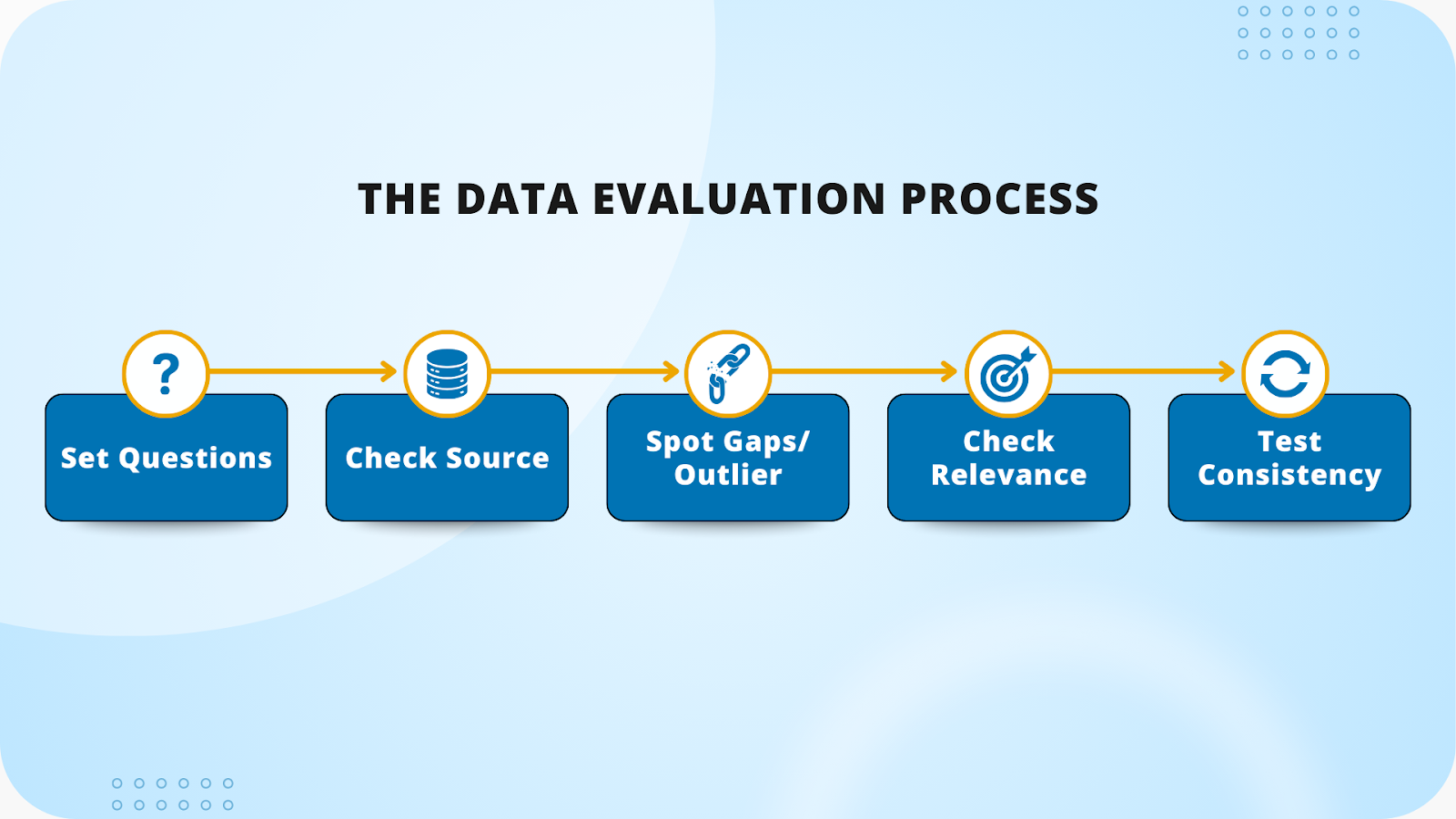
What Actually Improves Data Quality in Practice
Improving data quality is usually less about one big clean-up and more about tightening the parts of the setup where things start drifting in the first place. The businesses that handle this well are not trying to make every dataset flawless. They’re making sure the data can hold up across reporting, analysis, and day-to-day use without constantly needing to be corrected.
A few changes tend to make the biggest difference:
- Start with shared definitions: A lot of data quality issues begin before the reporting stage, when teams are using the same terms to mean slightly different things. If sales, finance, and operations all define “active customer” or “revenue” differently, the numbers will keep pulling in different directions.
- Give reporting a structure that actually supports it: Pulling data straight from operational systems usually leads to patching and workarounds. Bringing that data into a proper data warehousing setup makes it much easier to standardise, model, and prepare for reporting in a way that holds up over time.
- Make reporting tools work with consistent inputs: Business intelligence tools are only as reliable as the data behind them. When inputs are inconsistent, dashboards end up doing more explaining than informing. Clean, structured data allows business intelligence to actually deliver clear, usable outputs.
- Stop bad data earlier in the process: Blank fields, inconsistent naming, duplicate records, and mismatched formats all create problems that get harder to fix later. Tightening input processes and adding simple validation checks prevents those issues from feeding into reporting, where they become more expensive to untangle.
- Make ownership and accountability clear: Data quality drifts quickly when everyone uses the data, but nobody is clearly responsible for it. Stronger ownership, usually shaped through data consultancy, makes it much easier to maintain standards and deal with issues before they spread.
Build a Data Foundation You Can Rely On
If your data still needs checking before it can be used, it’s usually not a tooling issue. It points to something deeper in the way the data’s being captured, structured, or carried through the business.
At FIRN, we help businesses sort out the underlying setup so the data holds together properly under reporting, analysis, and day-to-day use. That can mean tightening the structure behind reporting, improving consistency across datasets, or making sure the business is not relying on patched fixes to answer basic questions. If your current setup is creating more checking than clarity, it’s probably time to look at what’s sitting underneath it.
Data Quality FAQs
What’s the difference between bad data and incomplete data?
Incomplete data is one type of bad data, but it is not the only one. Data can also be duplicated, inconsistent, outdated, or defined differently across systems. The bigger issue is usually not one bad field; it is the effect those problems have once the data starts feeding into reporting and analysis.
Can a data warehouse improve data quality?
It can help a lot. A well-structured data warehousing setup gives the business a more controlled environment for standardising and preparing data for reporting. It will not fix every issue on its own, but it makes it much easier to work with cleaner, more consistent data.
When should a business get help with data quality?
Usually, when reporting starts needing too much explanation, teams stop trusting shared numbers, or analytics feels harder to rely on than it should. At that point, the problem is often bigger than one report and worth addressing properly.
Can data quality issues affect customer profitability analysis?
Yes, quite badly. If revenue sits in one system, service costs in another, and customer records do not match cleanly across both, profitability becomes much harder to measure properly. That can lead to businesses overvaluing accounts that are expensive to serve, or missing where margin is quietly being lost.